
Body
Asian Blepharoplasty in Langley, BC
Since the eyes are such a defining facial feature, even subtle changes can significantly influence your facial balance and expression. Roughly half of people of Asian heritage are born without a natural upper eyelid crease, a characteristic known as a monolid. Asian blepharoplasty, also called double eyelid surgery, is a specialized procedure designed to create a natural-looking crease while preserving the harmony and individuality of your eyes.
Dr. Marie Noland performs Asian blepharoplasty with meticulous attention to detail, artistic sensitivity, and extensive knowledge of eyelid anatomy across diverse ethnic backgrounds. Her goal is not to alter your natural features, but to respect your natural eye shape while enhancing definition, symmetry, and comfort.
Based in Surrey, BC, Dr. Noland provides advanced facial, breast, body, and non-surgical treatments to patients from the surrounding area, including Langley, Abbotsford, Delta, Walnut Grove, Maple Ridge, White Rock, and Vancouver. Request your consultation today to learn how Asian blepharoplasty can improve your appearance.
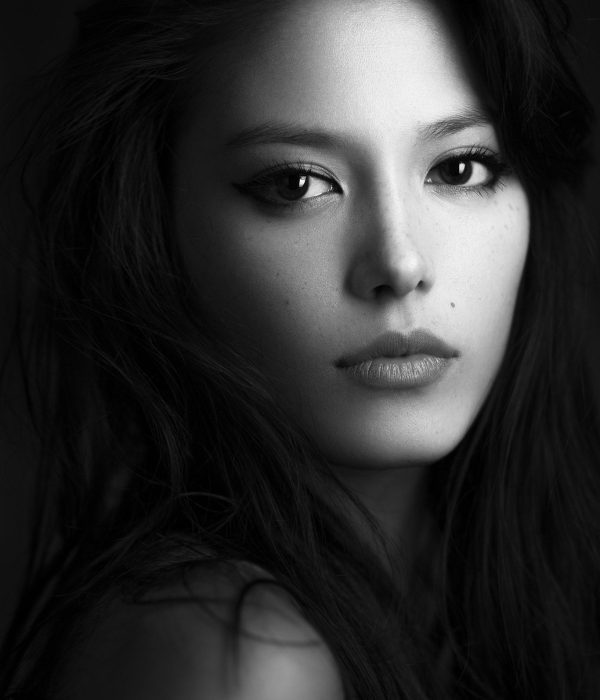
What Is Asian Blepharoplasty?
Most people want their outer appearance to project confidence and vibrancy. Asian blepharoplasty is a cosmetic procedure that creates a smooth, defined upper eyelid crease for patients who naturally lack one.
While traditional blepharoplasty primarily targets excess skin and fat caused by aging and collagen loss, the foremost goal of Asian blepharoplasty is to create a connection between your skin and the levator muscle, which is responsible for lifting your eyelids and allowing your skin to fold naturally when your eyes are open.
Your Asian blepharoplasty will brighten your facial expression by removing small amounts of excess fat that create puffiness, refining your eyelid shape to improve symmetry, and correcting inward-folding eyelids that cause irritation.
What Concerns Can Asian Blepharoplasty Address?
Asian blepharoplasty can simultaneously resolve multiple aesthetic and functional issues, including:
- A monolid, or absent upper eyelid crease
- Eyelids that obscure your irises
- Puffy or heavy upper eyelids caused by excess fat
- Asymmetrical eyelid creases
- Eyelashes that turn inward and irritate your corneas
- Difficulty applying makeup due to lack of a crease
- A desire for a more defined, balanced eyelid shape
- Physical and emotional discomfort caused by inward-folding eyelids

Am I a Good Candidate for Asian Double Eyelid Surgery?
During your consultation, Dr. Noland will evaluate your eyelid anatomy, crease height preferences, skin thickness, fat distribution, and other natural characteristics to craft a customized surgical plan. This private meeting is also your opportunity to ask questions and discuss your ideal outcomes with a board-certified, double fellowship-trained plastic surgeon.
You may be a well-qualified candidate if:
- You have Asian heritage and are unhappy with your eye appearance.
- Your eyelids obscure your upper irises.
- Your eyes look tired, heavy, or less defined than you’d like.
- Excess fat makes your eyes look puffy.
- Your upper eyelids fold inward, causing your eyelashes to brush against your corneas.
- You want improved symmetry between your eyelids.
- You prefer a subtle enhancement rather than dramatic reshaping.
- You don’t smoke, have realistic expectations, and are willing to follow all provided pre- and post-surgical instructions and activity restrictions.
Schedule A Consultation
Enrich your natural beauty and honour the person that you already are. Schedule a consultation with Dr. Marie Noland for a customized approach to reaching your aesthetic goals.
What Happens During Asian Blepharoplasty?
Dr. Noland performs Asian blepharoplasty in her office under local anesthesia, allowing you to avoid nausea and other risks associated with general anesthesia. Most patients require only a few small injections for numbing.
There are two primary double eyelid surgery techniques. Dr. Noland will recommend the one that best matches your anatomy and goals during your consultation, always emphasizing subtlety, balance, and respect for your unique features.
Incisional Double Eyelid Surgery
This method requires making fine incisions along each planned crease line. Then, Dr. Noland will remove small amounts of fat and adjust muscle attachments for long-lasting results. The incisional approach is ideal for patients with thicker skin, puffiness, or those seeking to enhance definition.
Suture Double Eyelid Surgery
This technique involves placing sutures beneath the skin to create a crease without an external incision. It is best for patients with naturally thin skin and minimal fat who desire a subtle crease.
What Is Recovery Like After Asian Blepharoplasty?
Healing from Asian blepharoplasty is typically manageable, with improvements revealing themselves gradually. You can expect mild swelling and bruising for the first week to 10 days, which will continue fading over the following weeks as your eyelid creases settle into their final shape.
Some patients also feel temporary tightness or fullness in the eyelids, which will resolve on its own with time. Most people can return to work within a week, though you should avoid strenuous activity until Dr. Noland clears you to resume.
Throughout your recovery, Dr. Noland will closely monitor your healing at follow-up appointments to ensure your results develop beautifully and safely. She and her team will provide you with detailed aftercare instructions to help you recover comfortably. These may include:
- Applying cold compresses to alleviate swelling
- Using lubricating eye drops as needed
- Sleeping on your back with your head elevated
- Keeping your incisions clean while monitoring for signs of infection
- Wearing UV-blocking sunglasses outdoors to shield your eyes from sun damage
Embrace your natural beauty at every stage of life.
Feel in control of your body
Feel confident in your skin
Why Choose Dr. Noland for Your Asian Blepharoplasty?
Asian blepharoplasty requires a refined understanding of facial anatomy, aesthetics, and cutting-edge surgical techniques. Dr. Noland’s fellowship training, artistic background, and meticulous surgical approach allow her to create results that look natural, balanced, and true to your identity.
Dr. Noland’s patients praise her warm, collaborative, and informative bedside manner. She’ll take her time to understand your goals, explain your options, and design a surgical plan that aligns with your vision, while respecting your aesthetic preferences and cultural identity.
If you’re ready to explore how Asian blepharoplasty can enhance your eyelid shape, improve comfort, and create a natural crease that reflects your unique beauty, we invite you to schedule your consultation today.
Asian Blepharoplasty in Langley, BC FAQs
Asian blepharoplasty focuses on creating a natural-looking eyelid crease, while a conventional eyelid lift corrects age-related changes, such as loose skin and prominent undereye bags.
You are welcome to discuss your preferences with Dr. Noland during your consultation, bringing reference photos if you like. Dr. Noland will design a surgical strategy to complement your anatomy for balanced results.
Dr. Noland’s attention to detail extends to every aspect of surgery, particularly incision placement. She makes small, fine incisions and meticulously sutures them closed so they heal into barely noticeable lines.
Dr. Noland believes in preserving her patients’ inherent qualities as much as possible. This surgery enhances definition without altering your eye shape or making you look like someone else.
In many cases, yes. Dr. Noland will recommend the approach that will lead to the best and safest outcomes.
Many Asian blepharoplasty patients experience temporary eye strain and dryness when healing. If your typical leisure activities include reading or screen time, Dr. Noland suggests planning recovery activities that allow you to rest your eyes, such as listening to music, audiobooks, or podcasts. You can also use artificial tears and cold compresses to reduce discomfort. If you normally wear contact lenses, you’ll need to switch to glasses for a week or two to avoid manipulating the delicate skin around your eyelids as they heal.
