
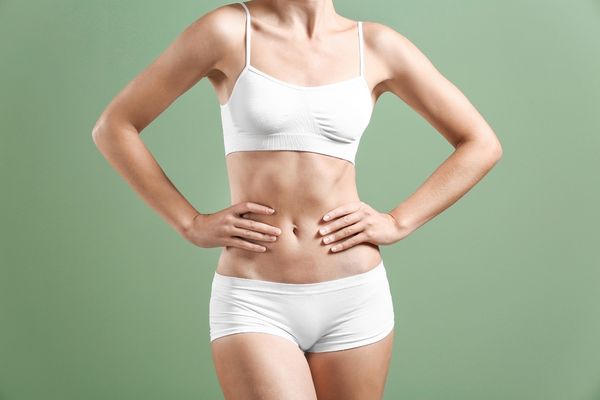
Patients sometimes find that after major weight loss, their skin doesn’t always shrink to match the body’s new shape. Dr. Marie Noland offers post-major weight loss procedures in Langley, BC, to remove excess skin, reduce discomfort, and help patients feel more confident in their slimmer physique. Excess skin doesn’t always require surgery; each patient should determine for themselves whether body contouring is the right next step after weight loss.
Understanding How Much Skin May Remain
How much excess skin will I have after weight loss?
The amount of excess skin after weight loss depends on how much weight was lost, how long the skin was stretched, age, genetics, skin elasticity, and the areas that changed the most. When skin stretches to accommodate additional weight, it can lose elasticity and may not fully contract after the weight is gone. This can leave loose folds in areas where the body shape has changed dramatically.
Excess skin often appears in areas such as:
- Abdomen
- Thighs
- Upper arms
- Breasts
- Mid and lower back
- Buttocks
Some patients have only mild laxity, while others have skin folds that cause chafing, clothing limitations, discomfort, and self-consciousness. When loose skin becomes a daily physical or emotional concern, surgery may be the most effective way to complete the transformation.
Understanding Non-Surgical Limits
What are non-surgical ways to treat loose skin after weight loss?
Non-surgical options may help with mild skin laxity, but they cannot remove significant redundant skin. Healthy habits, strength training, hydration, medical-grade skin care, and time can sometimes improve the way skin looks and feels after weight loss. These approaches may support skin quality, but they usually cannot correct large folds or loose tissue after major weight reduction.
Non-surgical support may include:
- Maintaining a stable goal weight
- Building muscle tone through exercise
- Staying hydrated and well-nourished
- Supporting skin quality with good skin care
- Giving the body time to settle after weight loss
When excess skin is significant, non-surgical care usually has limits. Skin folds, bulges, and tissue that hang from the abdomen, arms, thighs, breasts, back, or buttocks often require surgical removal to achieve a smoother, more defined contour.
Knowing When Surgery Is the Best Solution
When is surgery the best fix for excess skin after weight loss?
Surgery is often the best fix when excess skin creates discomfort, rubbing, chafing, asymmetry, skin bulges, or a body shape that does not reflect the work put into weight loss. Good candidates have usually completed their weight-loss journey, maintained their goal weight for a demonstrable period, and adapted well to their post-weight-loss lifestyle. They should also be in good physical health.
Surgery may be appropriate when:
- Loose skin causes friction or chafing
- Skin folds interfere with clothing fit
- Body contour feels hidden by redundant tissue
- Weight has stabilized after major loss
- The patient is healthy and nicotine-free or willing to quit
Excess skin removal can restore a more proportionate and natural-looking body contour. It can also reduce physical irritation and help patients feel more comfortable in the body they worked hard to achieve.
Embrace your natural beauty at every stage of life.
Feel in control of your body
Feel confident in your skin
Treating Common Areas After Weight Loss
What areas of the body can excess skin be removed through surgery?
Excess skin removal can be customized to the areas most affected by weight loss. Abdominoplasty can remove loose skin from the abdomen and create a smoother, more toned midsection. Breast lift surgery can remove excess skin and tissue to restore a more youthful breast profile. Arm lift and thigh lift procedures can reduce redundant skin in areas that often remain loose despite healthy lifestyle changes.
Surgical body contouring may treat:
- Abdomen with abdominoplasty
- Breasts with breast lift surgery
- Upper arms with brachioplasty
- Inner thighs with thigh lift surgery
- Lower body areas affected by sagging skin
Recovery depends on the procedures performed, but patients are fitted with compression garments for support and usually rest for 2 to 3 weeks before resuming work or normal activities. Strenuous exercise is typically avoided for 6 to 8 weeks, while results continue improving as swelling and bruising resolve.
Schedule a Consultation for Excess Skin Removal with Dr. Noland Today
Dr. Noland brings compassionate care and advanced body-contouring techniques for excess skin removal after weight loss in Langley, BC. Ready to explore excess skin removal after weight loss in Langley, BC? Schedule a consultation with Dr. Noland today.
